
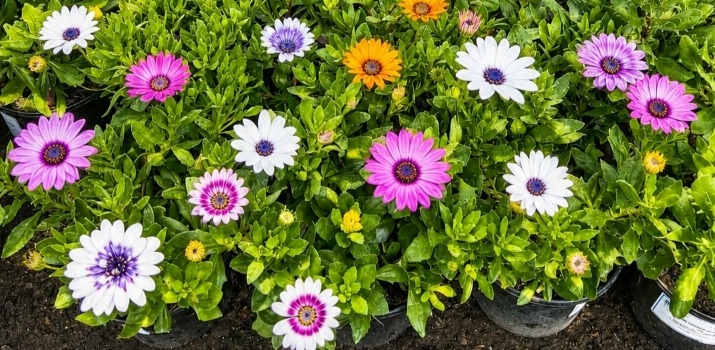
Osteospermum, commonly known as the African Daisy or Cape Daisy, is a stunning flowering plant native to South Africa. Its daisy-like blooms with striking central “eyes” bring cheerful colour to gardens across the country. These plants belong to the Asteraceae family and include over 70 species, with many popular hybrids in shades of purple, pink, yellow, orange, white, and bi-colours.
Perfect for South African weather.
African Daisies thrive in conditions that mirror their homeland. They love full sun (at least 6–8 hours daily) and well-drained soil. They tolerate heat and drought once established, making them ideal for South African gardens, from the Highveld to coastal regions.
- They perform beautifully in spring and autumn when temperatures are moderate
- In hot summer areas (like Gauteng or the interior), they may slow down or go semi-dormant during peak heat but often bounce back with cooler weather.
- They handle light frost poorly, so in colder parts of the country, treat them as annuals or protect them in winter.
They prefer slightly acidic to neutral soil (pH 5.8–6.5) and dislike waterlogged roots, so raised beds or good drainage are essential in heavier soils. Their drought tolerance makes them excellent for water-wise gardening.
Best time to plant in South Africa?
The ideal planting window is late winter to early spring (August to October), after the last frost risk. This allows them to establish roots before the heat intensifies and rewards you with blooms from spring through early summer.
In milder coastal areas (Western Cape, KwaZulu-Natal), you can plant earlier or enjoy them as tender perennials. In colder inland regions, wait until September - October. For a second flush, plant again in late summer (February - March) for autumn colour.
Planting tips: Space plants 25 - 30 cm apart. Water regularly until established, then reduce to deep but infrequent watering. Deadhead spent flowers to encourage more blooms. They grow quickly and typically flower within 2 months from seedlings.

Interesting facts about Osteospermum:
- Name origin: “Osteospermum” comes from Greek words meaning “bone seed,” referring to the hard, bony seeds.
- Sun followers: The flowers open in bright sunlight and often close at night or on cloudy days - a charming “sleepy” habit that protects their centres.
- Pollinator magnet: Their nectar-rich blooms attract bees, butterflies, and other beneficial insects.
- Spoon daisies: Some varieties have unique spoon-shaped petals.
- Long history: While cultivated widely today, many species originate from South Africa’s fynbos and coastal areas. Modern hybrids offer improved heat tolerance and bigger blooms.
African Daisies are non-toxic to pets and humans, low-maintenance, and versatile... perfect in borders, containers, rockeries, or hanging baskets. They pair beautifully with other sun-lovers like lavender, salvia, or gazania.
At Monkey Fountain Nursery in Linden, you can currently grab these beauties ON SPECIAL for just R99.94! An excellent opportunity to add instant colour to your garden. Whether you’re a beginner or seasoned gardener, Osteospermum delivers big impact with minimal fuss.
Plant them now for a vibrant spring display that celebrates South Africa’s floral heritage. Your garden (and local pollinators) will thank you!


For more plant care content, check out Monkey Fountain Nursery's Facebook page.