
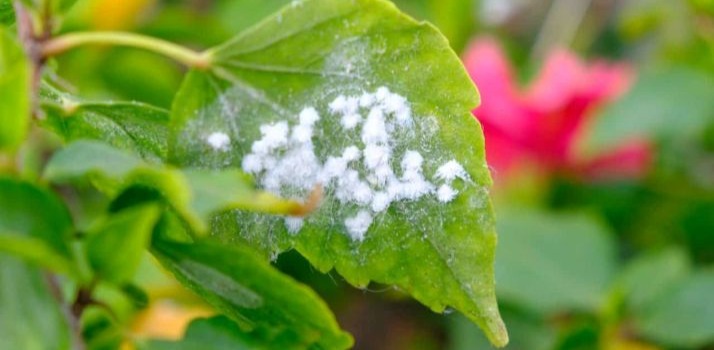
Citrus trees are favorites in home gardens and orchards, but they can fall victim to woolly aphids... a common pest that appears as white, fluffy, or waxy clusters on branches, leaves, and trunks. We did a Facebook reel a few weeks ago and thought we would expand on this a little for you. In this reel of Paul from Monkey Fountain Nursery, Paul highlights a real-world example of this issue, showing the characteristic white damage and offering straightforward advice for home gardeners.
What are Woolly Aphids and what causes them?
Woolly aphids are small, soft-bodied insects (often reddish-brown underneath) that secrete a protective white, wool-like wax. In the video, Paul refers to the damage as "sillar," describing it as the result of a little flying insect that lays eggs on the tree. This leads to colonies that suck sap from the plant.
Key causes and contributing factors:
- Stressed or weakened trees: Over- or under-watered, nutrient-poor soil, or recently pruned trees are more vulnerable.
- Ant activity: Ants often "farm" aphids for their sugary honeydew excretion, protecting them from natural predators.
- Environmental conditions: Warm weather and overcrowding in gardens encourage rapid reproduction.
- Alternate hosts: Aphids can migrate from nearby plants like apples, pears, or ornamentals.
The white fluffy coating not only protects the aphids but can lead to secondary issues like sooty mold (black fungus growing on honeydew) and reduced tree vigor.
Signs of infestation:
- White, cottony or woolly masses on branches, cracks in bark, or leaf undersides.
- Sticky honeydew droplets.
- Yellowing or curling leaves, stunted growth, or branch dieback in severe cases.
- Increased ant activity around the tree.
Early detection is key... woolly aphids rarely kill a healthy mature tree but can weaken young citrus significantly.
Additional effective treatments:
- Physical removal: Blast colonies with a strong jet of water or wipe/brush them off (repeat as needed).
- Horticultural oil or insecticidal soap: These smother the aphids and dissolve the waxy coating. Apply thoroughly on a calm day, covering all infested areas. Repeat every 7–10 days.
- Neem oil: A popular organic option that disrupts the pests' life cycle. Pop in at Monkey Fountain Nursery for a supply.
- Encourage natural predators: Ladybugs, lacewings, and parasitic wasps love aphids. Avoid broad-spectrum insecticides that harm these allies.
- Pruning: Remove and dispose of heavily infested branches (away from the garden to prevent spread).
- Soil health: Improve tree resilience with proper watering, mulching, and balanced fertilization.
For severe cases, systemic insecticides (like those containing imidacloprid) can be used as a last resort, but apply carefully to protect pollinators.
Prevention tips:
- Keep citrus trees healthy and unstressed.
- Monitor regularly, especially in spring and early summer.
- Use dormant oil sprays in winter to reduce overwintering eggs.
- Plant companion flowers (e.g., marigolds, yarrow) to attract beneficial insects.
This above is a great example of real, hands-on gardening advice tailored for regions where citrus thrives (like South Africa, given the "braai ash" reference). While woolly aphids can look alarming, they are manageable with consistent care and non-toxic methods.
If you're dealing with this issue on your own trees, start with the ash drench or water spray and observe results over a week or two. Share photos of your infestation for more tailored tips below!
For more plant care content, check out Monkey Fountain Nursery's Facebook page.